How to Prevent Clogging in Iron Grating Drainage Systems
Nov 10, 2026
Preventing clogging in iron grating drainage systems comes down to three levers: smart grating design, the right material, and regular maintenance. Design controls what enters the drain. Material determines how long the iron grating lasts. Maintenance keeps every slot clear. After a storm, homeowners often find water standing over debris-packed slots. Effective drainage starts before the first rainfall, with thoughtful design choices.
Key Takeaways
Choose grating with narrow slots and proper placement to keep debris out and water flowing.
Select durable ductile iron that matches site conditions for long-lasting performance.
Clean grates regularly—inspect monthly and after storms—to prevent clogs and extend drain life.
Iron Grating Design for Debris Control
Design choices decide how much material reaches the drain and how much sheds away at the surface. A well-planned iron grating balances open area against debris capture.
Slot Size and Shape
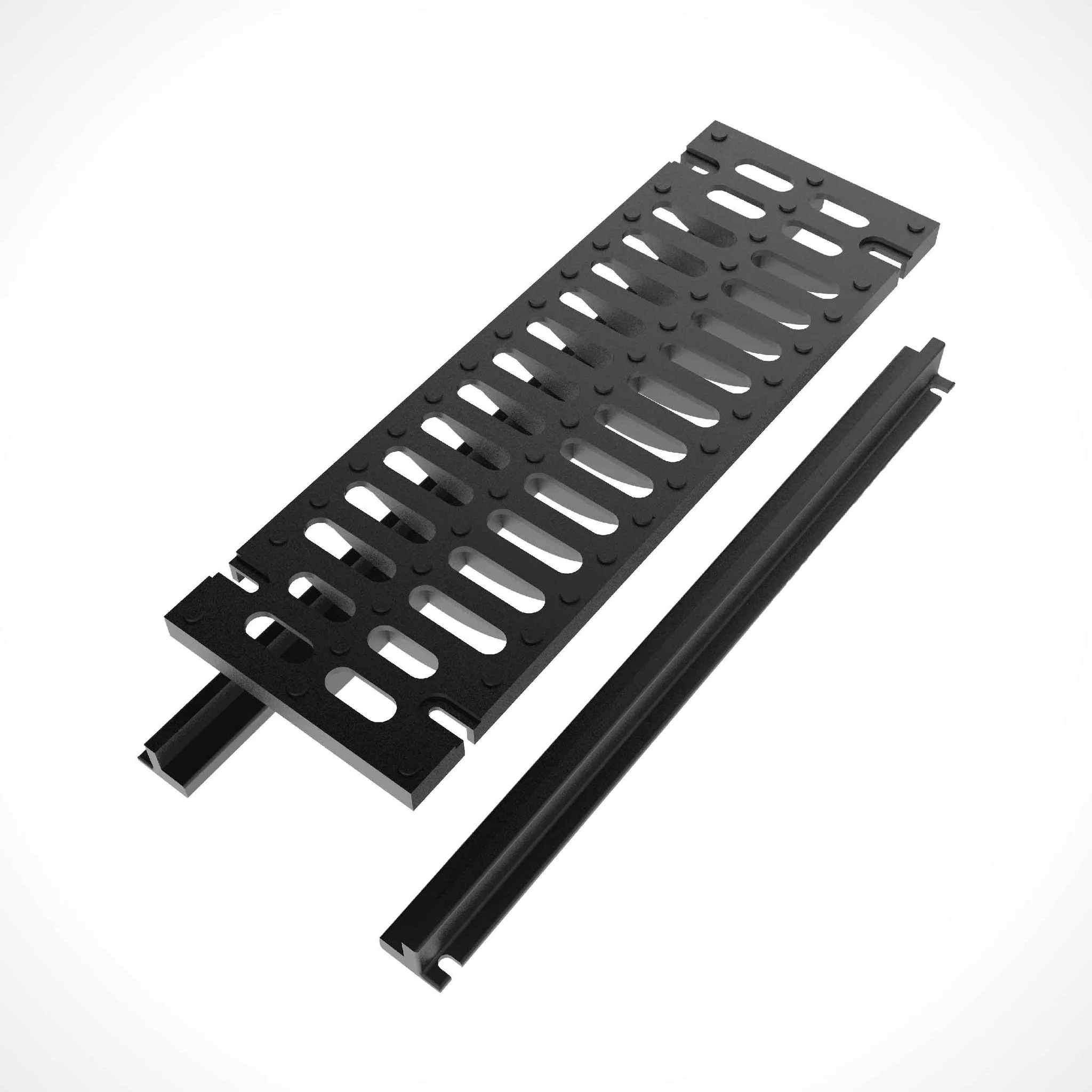
Slot dimensions control the first filter point. Narrow slots block leaves and twigs from entering the channel. Wider slots pass larger volumes of water but admit more solids. The shape matters as much as the size. Straight parallel slots shed long stems and fibrous material along their length. Curved or tapered slots guide water inward while pushing bulky items aside. A trench drain grate illustrates this principle well. Its linear slot layout runs parallel to the channel, so water enters evenly along the full run. A Linear Stormwater Drain Grating with uniform slot spacing delivers predictable flow across the surface. Each slot acts as a small gate. Material larger than the gap stays on top and washes toward the next slot. This behavior supports minimal debris accumulation at the surface during heavy rain.
Kerb Gully Gratings Placement and Flow
Position determines how water approaches the inlet. Kerb gully gratings sit along road edges, where runoff gathers first. Their placement at the low point of the curb captures flow before it spreads across the pavement. The angle of approach matters too. Water moving parallel to the slots slides across the surface and carries floating debris past the openings. Water moving perpendicular drops straight through. Kerb gully gratings aligned with the road direction therefore shed leaves and litter more effectively. These gully gratings prevent logging of water at the curb line by keeping the entry path clear. A second row of gully gratings at sag points handles pooled runoff. Designers can also set the grate slightly below the pavement level. This small drop encourages fast draining of rainwater into the channel. Correct placement and flow direction limit debris buildup at the drainage inlet and keep the drain working through peak storms. Each layout suits a different site: parallel slots fit long road edges, while cross-flow patterns serve wide catchment areas. Both approaches move rainwater from streets into the pipe network with less manual clearing.
Gully Gratings Material Selection
Ductile Iron Performance
Ductile cast iron outperforms grey cast iron on the properties that matter most in drainage service. Its tensile strength, yield strength, and elongation all run higher, so the metal bends under impact instead of cracking. Grey cast iron offers good compressive strength at lower cost, which suits light footway covers. Ductile iron adds machinability, reliable casting properties, and corrosion resistance. Those traits deliver a long service life in wet, loaded environments.
The FEILONG 250mm x 750mm D400 Medium Duty Gully Channel Trench Grating shows how these properties translate into a product. It measures 250mm wide, 750mm long, and 26mm deep, with a bitumen paint coating for added protection. Its D400 rating withstands a 40-tonne load, which fits carriageways and heavy-traffic areas. FEILONG (Anhui Feilong New Material Co., Ltd.) holds ISO9001, ISO14001, ISO45001, and CE certifications and supplies approval drawings and formal quotes. Buyers should treat this as one quality option among several reputable suppliers.
Load Class
Typical Service
Load Rating
A15
Footways, pedestrian areas
15 kN
B125
Car parks, light traffic
125 kN
C250
Kerb inlets, road edges
250 kN
D400
Carriageways, heavy traffic
400 kN
Matching Material to Site Conditions
Site conditions guide the final choice. Municipal construction and sewerage systems demand robust gully gratings that resist heavy vehicle loads. Water supply and telecommunication networks favor secure, lockable covers that deter theft and vibration. Footways tolerate lighter classes, while rainwater drainage along roads needs a D400 Road Drainage Grating to handle traffic stress. Each setting rewards a different balance of strength, coating, and load class.
Correct selection keeps every grate working as intended. A well-matched gully grating sheds debris, carries storm flows, and resists corrosion for years. The right cast iron grade protects the drain network from premature failure.
Installation and Maintenance of Trench Drain Grates
Secure Installation for Smooth Flow
A stable grating starts with correct seating. The frame must sit level in the channel, with no rocking under load. Workers should bed the frame firmly and check the fit before fixing it in place. A lock system then holds the trench drain grate tight against the frame. The lock stops vibration from shifting the grate during traffic. It also keeps the grate aligned with the slot pattern, so water enters evenly. A loose grate tilts, narrows its openings, and invites blockages. Proper seating and locking keep flow unobstructed and protect the underlying drain from clogging or damage. A lockable ductile iron drain grate also resists removal by unauthorized hands, which supports both security and steady performance.
Preventing Early Clogging of Drains
Routine attention stops small buildup from becoming a real problem. Homeowners should lift each trench drain grate and clear leaves, silt, and litter before storm season. Contractors can schedule inspections after major weather events. Maintenance professionals should check clogged channels at sag points first, since water pools there earliest. A simple routine works well: inspect monthly, clean before heavy rain, and remove debris after every storm. These habits catch early clogging of drains before water pools on the surface.
Cleaning practice matters as much as frequency. Lifting the grate for full access makes the job faster and safer. Ease of removal and cleaning depends on the lock design, so operators should learn the release method. A stiff or seized lock slows every visit. Maintenance and cleaning considerations should therefore include a quick check of hinges, locks, and frame edges. Power washing clears fine grit from slots, and hand tools lift packed material. Workers should bag the removed material rather than sweep it back into the channel. This step keeps the iron grating clear and stops sediment from reaching the pipe. Ease of maintenance rewards teams that record each inspection and note recurring trouble spots. Consistent cleaning protects the drain network and extends the service life of every trench drain grate. Good habits also reduce the risk of a clogged inlet during peak rainwater flows.
Smart design, the right material, and steady maintenance form the full formula against clogging. Each lever reinforces the others. Consistent habits protect drainage performance season after season. A quality manufacturer such as FEILONG, with its certified ductile iron range and custom design support, supplies well-made grating and practical guidance that support long-term drain protection.
FAQ
How often should someone clean a trench drain grate?
A monthly inspection works well for most sites. Teams should also clear debris before heavy rain and after every storm. This routine catches early clogging before water pools.
What load class suits a carriageway inlet?
A D400 rating fits carriageways and heavy-traffic areas. It withstands a 40-tonne load. Lighter classes serve footways and car parks, so site traffic guides the choice.
Why does ductile iron last longer in wet service?
Ductile cast iron offers higher tensile strength, yield strength, and elongation than grey cast iron. It also resists corrosion. A bitumen paint coating adds further protection to each grate.
 Español
 English
 Русский
 عربي







 RED SOPORTADA
